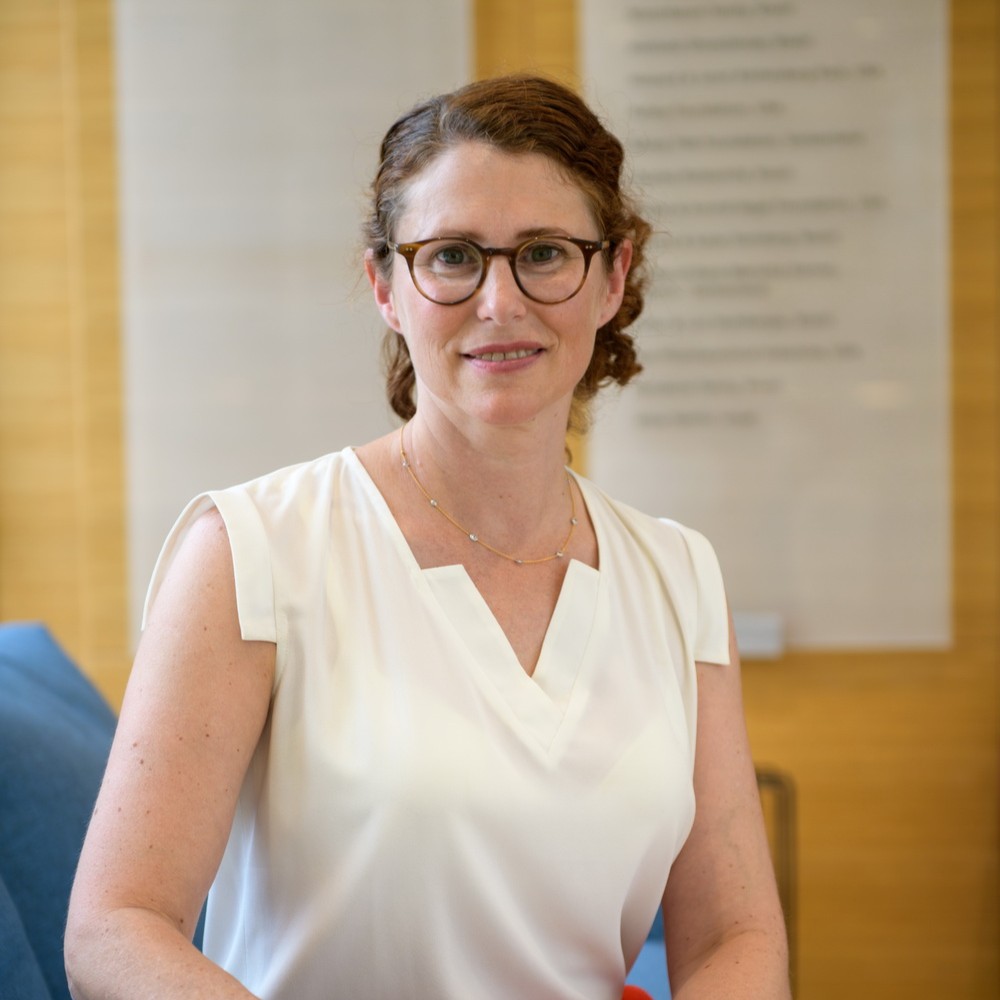
Yardena Samuels, PhD
Project Title
Developing Synergistic Immunotherapeutic Strategies for TCR-T Cell Therapy in Pancreatic Cancer
Named Grant
The Irving Himel and Family Project Grant
About the Investigator
Prof. Yardena Samuels received her BSc from Cambridge University, UK and an MSc in immunology at the Hebrew University of Jerusalem. She completed a PhD at Imperial College, London and performed a postdoctoral fellowship at Johns Hopkins University. She served as an Assistant Professor at NIH before joining the Weizmann Institute in 2012. Today, she is the director of the Moross Integrated Cancer Center, the recipient of the Pezoller Foundation Award, the Youdim Family Prize for Excellence in Cancer Research, the Sergio Lombroso Award in Cancer Research, an EMBO member, and is President of the European Association for Cancer Research.
About the Research
Immunotherapy has emerged as a groundbreaking approach to cancer treatment. However, the majority of metastatic patients are unresponsive. This proposal focuses on a novel approach in cancer immunotherapy, TCR-T therapy, targeting a mutation known as KRAS G12V/C, found mostly in lung, pancreatic, and colon cancers and is notoriously difficult to treat effectively with current therapies. Prof. Samuel’s team made significant strides in identifying a new potential treatment target—a small piece of protein, or neoantigen, directly created by the KRAS G12V/C mutation. She demonstrated that this neoantigen can be presented by cancer cells to the immune system and activate it. Moreover, the team isolated T-cells from donors that recognize this neoantigen, identified the T cell receptor in charge of the recognition, and engineered other donor T-cells to enhance their ability to kill cancer cells carrying the KRAS G12V/C mutation. Her team is developing additional treatment modalities against KRAS G12V/C mutated cancers, including cancer vaccines and bispecific antibodies. Furthermore, she demonstrated the synergistic effect of combination therapy of chemotherapy and the lab’s engineered T-cells. The team aims to evaluate several treatment combinations against this neoantigen and refine the best option to pursue in clinical trials in novel mice models. This work on KRAS G12V/C could impact the treatment of ~120,000 patients yearly who suffer from these cancer types, and pave the way for future therapies that can target other mutation-derived neoantigens, offering new treatment options for many more patients.





