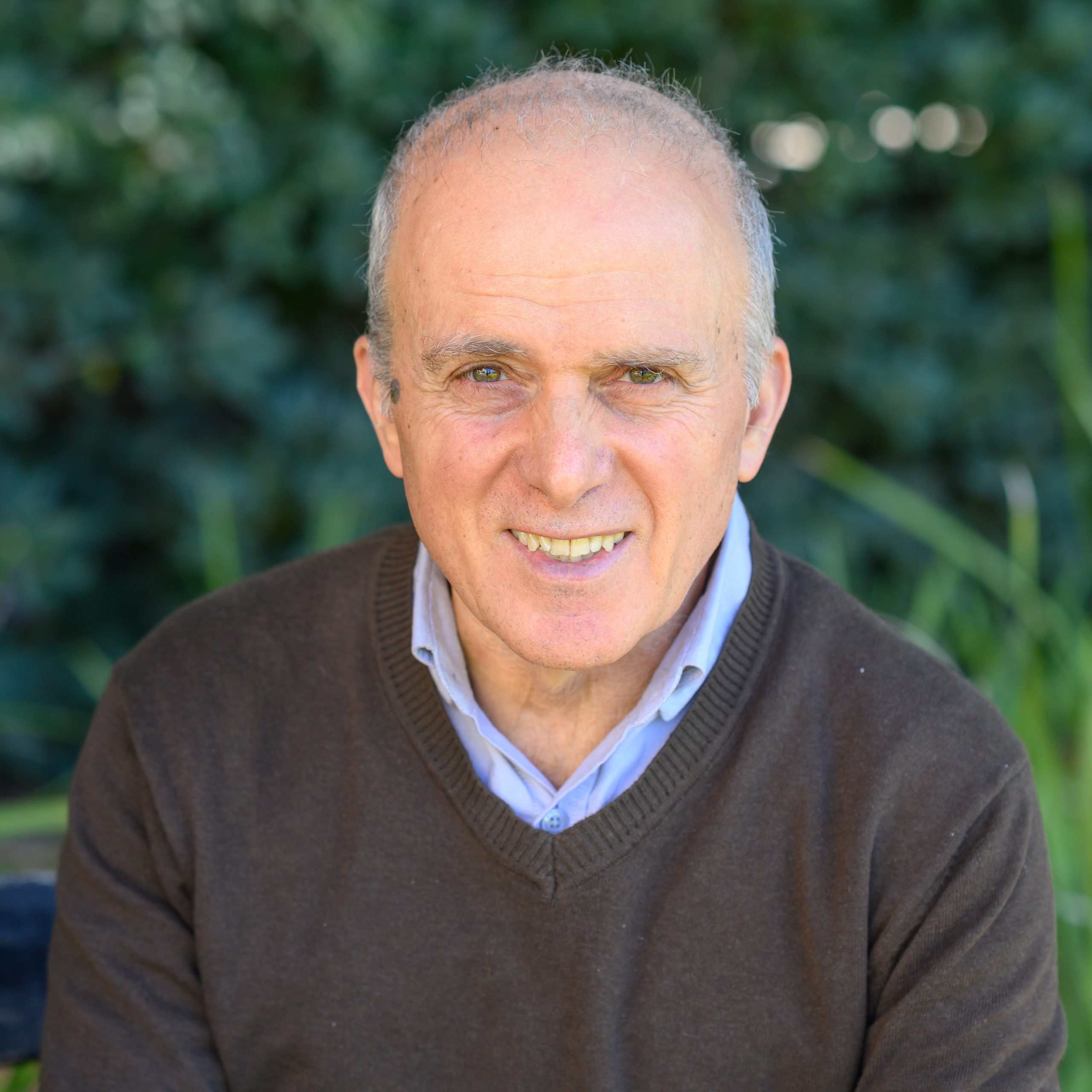
Yosef Yarden, PhD
Project Title
EGFR-Positive Lung Cancer: Treatment-induced Mutagenesis, Exon-20 and Strategies to Delay Relapses
Named Grant:
The ICRF-Mark Foundation Collaborative Project Grant
About the Investigator:
Prof. Yosef Yarden received Ph.D. from the Weizmann Institute and later trained at Genentech Inc. (San Francisco), where he developed Herceptin, and at MIT, where he discovered a new family of growth factors, the Neuregulins. At the Weizmann Institute, he served as Dean of Biology, Dean of the Graduate School and Vice President for Academic Affairs. He received the Emet Prize in 2013 and the Israel Prize in 2017. Yarden currently serves as Director of the Dwek Institute for Cancer Therapy Research.
About the Research:
In recent years, the development of highly effective anti-cancer drugs like Gleevec and Herceptin has been a significant breakthrough. However, it has also become evident that tumors often adapt and find ways to survive during treatment. This challenge is most clearly seen in lung cancer, the leading cause of cancer-related deaths. Patients treated with kinase inhibitors initially experience almost complete remission and are able to resume normal lives. Sadly, within 1-2 years, most patients develop resistance to these drugs, leading to the cancer spreading again throughout the body. Once all available kinase inhibitor treatments are exhausted, patients are left with chemotherapy as the only option.
To address this recurring resistance, Yarden and his team have developed an innovative antibody that shows promise as a potential anti-cancer drug. Unlike natural antibodies that target a single site, the new antibody designed by the Weizmann team targets two sites, giving it enhanced effectiveness. Over the next year, Yarden and his team will study the mechanisms that allow this novel antibody to sensitize cancer cells to kinase inhibitors. Furthermore, they plan to develop a series of equally potent bispecific antibodies that have not yet been tested in animal models for lung cancer. These groundbreaking engineered antibodies could pave the way for future lung cancer treatments.





