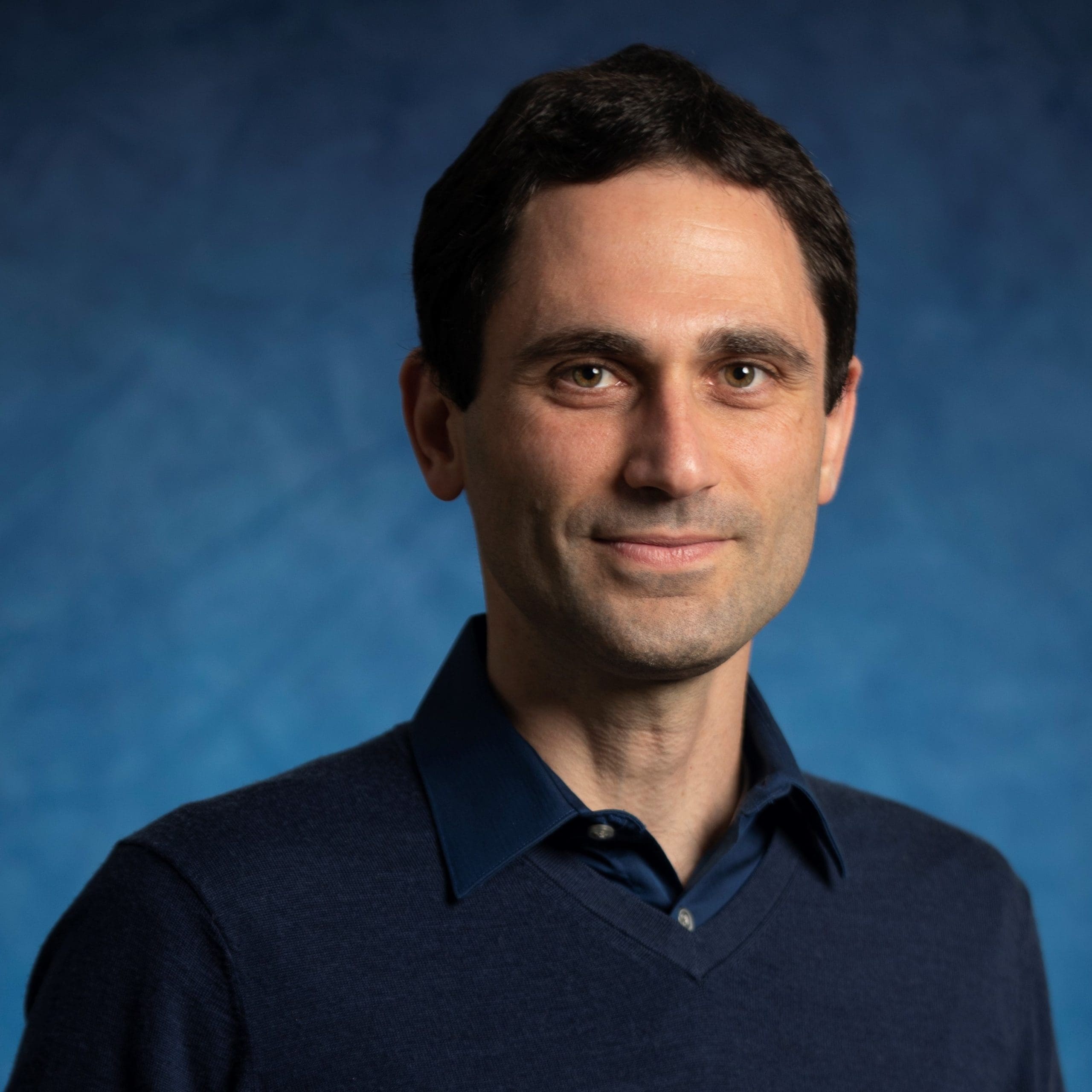
Uri Ben-David, PhD
Project Title
Targeting KIF18A in chromosomally unstable cancers: Predictive biomarkers, resistance mechanisms, and therapeutic strategies
About the Investigator
Prof. Ben-David is a Professor of Cancer Genetics at Tel Aviv University. Prof. Ben-David obtained his Ph.D. from the Hebrew University of Jerusalem, and completed his postdoctoral training at the Broad Institute of MIT and Harvard. The Ben-David lab focuses on a fundamental trait of cancer – changes in the number and structure of chromosomes in cancer cells. Ultimately, his research aspires to expand the understanding of the genetic basis of cancer, and to open new avenues for personalized cancer treatments. Prof. Ben-David is the recipient of several prestigious grants and awards, including the 2020 AACR ‘Next Generation Star’ Award, the 2020 ‘ERC Starting Grant’, the 2021 Cells ‘Young Investigator Award’, and the 2022 ‘Krill Prize’ by the Wolf Foundation. In 2022 he became a member of the EMBO Young Investigators Program, and in 2024 he became a member of the Israel Young Academy. In 2025 Prof. Ben-David was awarded the Schmidt ‘Science Polymaths Award’.
About the Research
In this project, we aim to better understand how chromosomal instability (CIN) drives cancer by focusing on a key protein, KIF18A, which is essential for proper chromosome alignment during cell division. We’ve discovered that cancer cells with high levels of CIN are particularly dependent on KIF18A for survival. This project will explore how inhibiting KIF18A can be used to selectively target CIN-high tumors, such as high-grade serous ovarian cancer (HGSOC), triple-negative breast cancer (TNBC), and colorectal cancer (CRC). These cancers are known to be particularly aggressive and difficult to treat. Our research will identify biomarkers that predict which patients will benefit from KIF18A-targeted therapies and explore why some tumors are resistant to these treatments. We will also study how cancer cells adapt to KIF18A inhibition over time, developing resistance mechanisms that limit the effectiveness of the therapy. By studying these resistance pathways, we will propose new combination therapies to restore sensitivity to KIF18A inhibitors, improving their therapeutic potential. Ultimately, this project will provide a deeper understanding of how CIN-driven vulnerabilities can be exploited for cancer therapy, and help to develop more effective treatment strategies for patients with CIN-high tumors.





