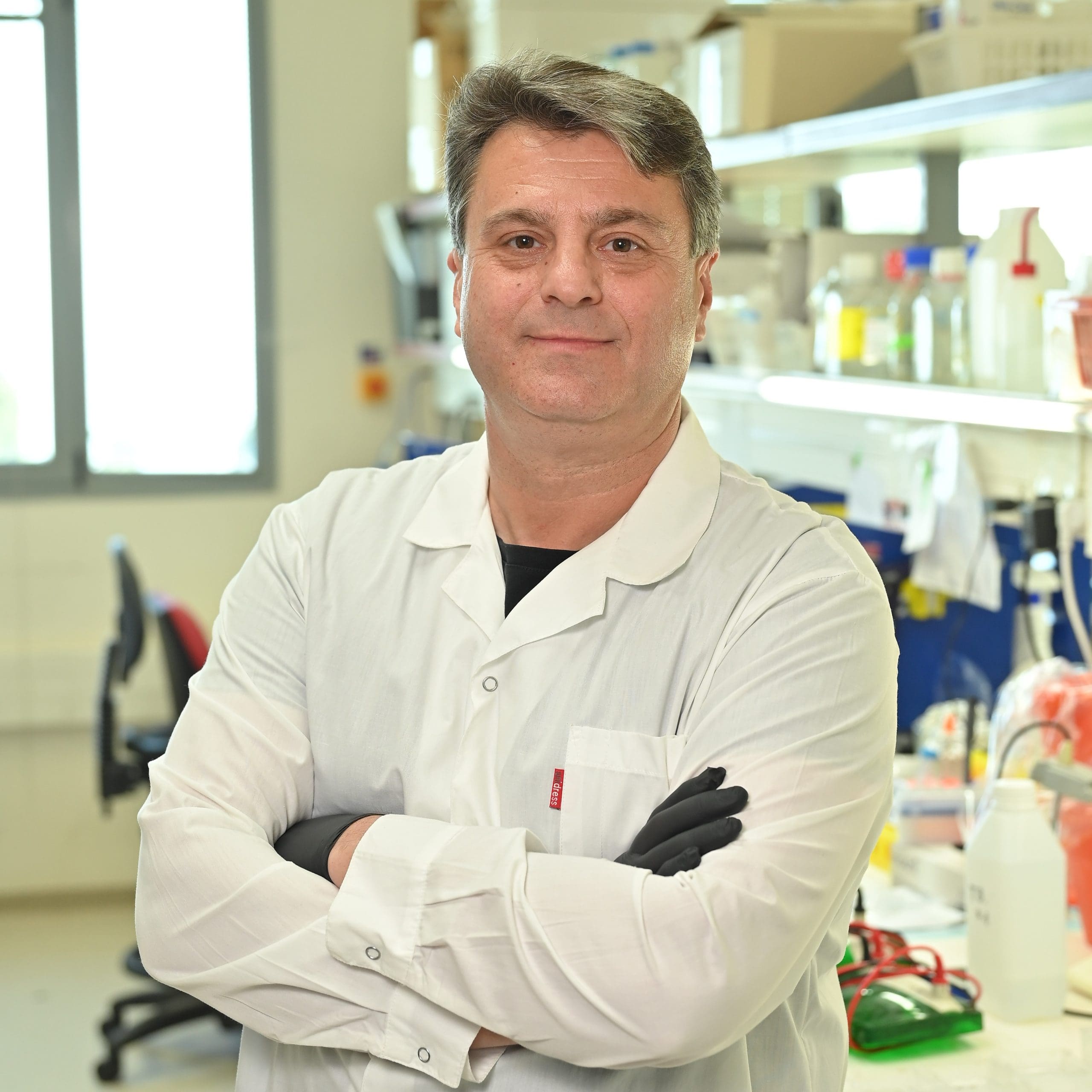
Michael Blank, PhD
Project Title
SMURF2-USP7 regulation of PARP1 in DNA Damage Response and Sensitivity to PARP Inhibitors
About the Investigator:
Prof. Blank is a leading expert in cancer cell and molecular biology, conducting his research at the Faculty of Medicine, Bar-Ilan University, Israel. His laboratory explores fundamental biochemical, molecular and cellular processes underlying cancer generation, disease progression, metastases, and the response to anticancer therapeutics. The research questions addressed in Prof. Blank’s laboratory encompass key inquiries: What mechanisms operate in cancer? How are they regulated? How do they influence sensitivity to therapies? And, most importantly, how we can strategically target the molecular and cellular vulnerabilities associated with cancer to cure the disease, particularly in its most dangerous metastatic form.
About the Research:
Cancer is a complex disease caused by disruptions in normal cellular processes, leading to uncontrolled growth and spread of abnormal cells, a process known as metastasis. A key factor in the survival and spread of cancer cells is their ability to repair DNA damage, which also helps them resist the effects of anticancer treatments. One critical protein involved in DNA repair is PARP1, which enables cancer cells to survive and resist therapy.
Drugs targeting PARP1, known as PARP inhibitors (PARPis), are used clinically to treat certain cancers. However, many patients quickly develop resistance to these drugs, underscoring the urgent need for more effective therapies, which requires a better understanding of the mechanisms regulating PARP1.
In our preliminary studies, we identified a novel regulatory mechanism for PARP1: two cellular proteins, SMURF2 and USP7, act as a molecular switch, with SMURF2 enhancing and USP7 suppressing its activity. Building on these findings, we will investigate how the SMURF2–USP7–PARP1 axis influences cancer cells’ ability to repair DNA, maintain malignant traits, and survive treatments such as chemotherapy and PARPis. Our ultimate goal is to develop more effective therapies for highly aggressive metastatic cancers, including triple-negative breast cancer (TNBC), which currently has limited treatment options.





